
The House Edge in Blackjack: Why 6 to 5 Tables Bleed Your Bankroll
Walk into any casino on Queen Street, Brisbane, and you’ll spot the little green felt islands where blackjack tables sit like patient sharks. The odds look tidy until the payout on a natural blackjack flips from the traditional three-to-two to a stingy six-to-five. That single digit change is the difference between a game that respects your time and one that quietly siphons your wallet. We’ve tested enough felt to know the math doesn’t lie, and the house edge jumps roughly 1.4 per cent when you sit at the wrong table. Here’s why you should steer clear of 6 to 5 blackjack tables and keep your bankroll breathing.
The Math Behind the Payout Shift
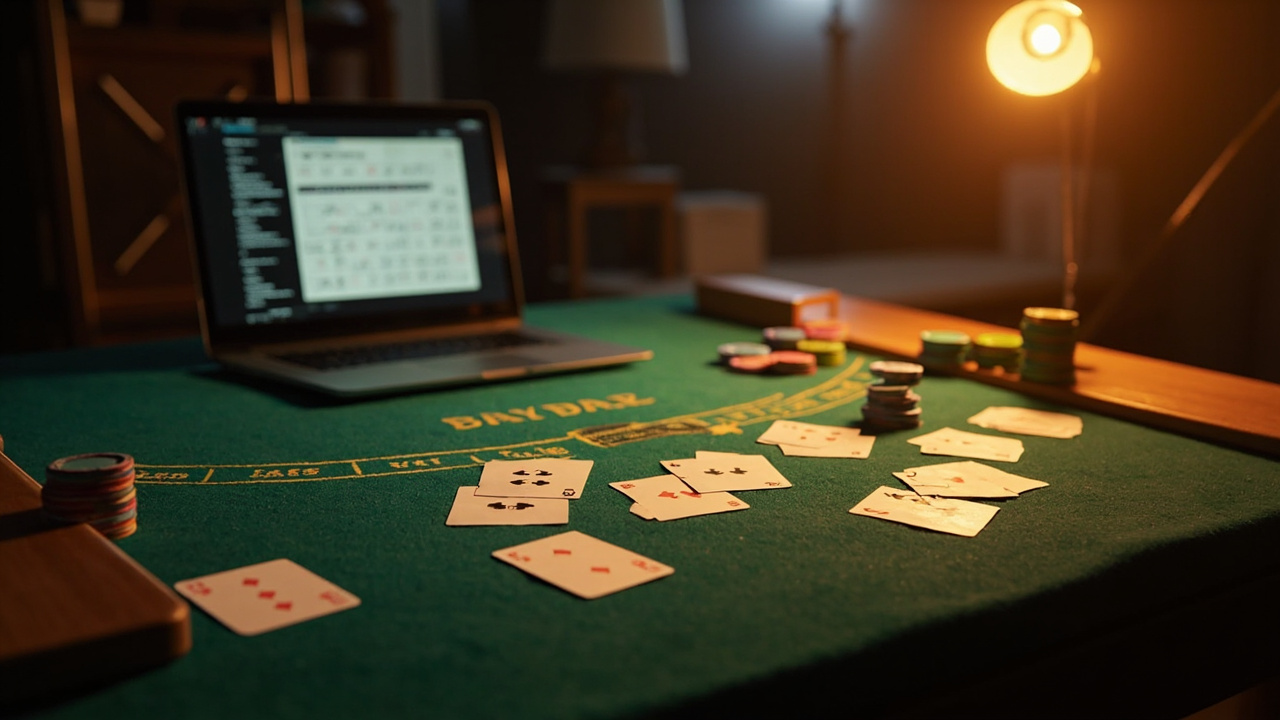
A natural blackjack pays three chips for every two you risk on a standard table, which has been the benchmark since card rooms first dealt from shoe decks. The 6 to 5 variant shrinks that payout to exactly 1.5 times your stake, and while it sounds like rounding error, it compounds fast. Imagine you’re betting $25 a hand over a busy arvo and landing twenty naturals in a session. On a proper table, that’s $750 in extra payouts; on the tighter variant, you’re looking at $625 instead. You’ve just handed the house $125 for the privilege of sitting at a table that looks identical from ten paces away. The edge creeps up because every natural becomes a smaller win, and the dealer still collects the same when the shoe turns cold. We’ve tracked sessions at venues across the country and the pattern holds: players who don’t check the felt before dropping chips tend to wonder where their roll went. If you want a quick reference for what a fair table should show, thepokiesnetreview.com keeps a plain-English breakdown of payout structures that strips away the marketing gloss.
How Overseas Venues Handle the Same Game
Step across to a Las Vegas casino floor and you’ll still find three-to-two tables sitting alongside the newer, tighter layouts, because operators there know players compare notes before they buy in. In the UK and across Europe, the standard has stayed closer to the original payout for decades, and even when side bets and continuous shuffling machines creep in, the base game rarely abandons the traditional ratio. Down Under, we’ve got a different rhythm: local operators tend to stack the menu with variants that look flashy on the screen, and the 6 to 5 version often gets positioned as a “low-limit” option to draw casual hands. The difference matters because a tourist in Macau or a regular in London usually walks past the stingy table without a second glance, while an Australian player who hasn’t checked the felt can easily sit down and assume the math is the same. We’ve run comparison notes on how payout structures shift by region, and the takeaway is blunt: the game isn’t broken overseas, it’s just that the stingy version sells better when nobody reads the small print. thepokiesnetreview.com
What to Scan Before You Drop Chips
You don’t need a degree in probability to spot a 6 to 5 table, but you do need to look before you commit. The payout rule is almost always printed on the felt near the dealer’s tray, and it will spell out “blackjack pays 6 to 5” in plain text. If the table is digital, the paytable screen usually lists the natural payout alongside the side bet odds, so a quick glance saves a lot of regret. We’ve sat through enough sessions to know that dealers rarely volunteer the detail unless you ask, and floor staff are busy enough that they won’t chase you toward the better tables. The trick is to treat the felt like a menu: if the main course pays less than it should, you don’t order it just because the lighting is flattering. Check the minimum and maximum stakes too, because a 6 to 5 table sometimes hides behind a lower entry point that lures you in before the math does its work. Once you know what to look for, you can filter out the weaker layouts without slowing down your session.
How to Keep Your Session Sharp
The easiest defence is to set a payout rule as a non-negotiable before you buy in, same as you’d check the odds on a horse before you place a ticket. We’ve found that players who decide their table standards in advance spend less time second-guessing their bankroll and more time actually playing the hands that matter. Keep your stakes consistent, track your naturals over a reasonable stretch, and don’t let a slow patch convince you that the table has turned friendly. A 6 to 5 layout doesn’t become fair because you’re on a run; it just means the house edge is still doing its quiet work underneath the noise. If you’re playing online, the same principle applies: read the game rules panel before you spin up the shoe, because a flashy interface won’t fix a stingy payout. The goal isn’t to avoid blackjack altogether, it’s to make sure the version you choose respects the odds you’re expecting.

| Feature | Detail |
|---|---|
| Standard blackjack payout | 3 to 2 on natural hands |
| 6 to 5 blackjack payout | 1.5 times the original stake |
| House edge impact | Roughly +1.4 per cent versus standard |
| What to check on the felt | “Blackjack pays 6 to 5” printed near the tray |
| Quick rule of thumb | Skip the table if the natural payout is below 3 to 2 |
The verdict for Australian players is straightforward: a 6 to 5 blackjack table is a slower bleed dressed up as a convenient option, and the extra edge is real enough to notice over any decent session. Stick to tables that pay three-to-two on naturals, check the felt before you commit, and treat the payout rule like a non-negotiable entry requirement. You’ll keep more of your roll, and the game will feel like the one you actually signed up for.