
Melbourne marketers like me spend a lot of time judging conversion quality on mobile-first flows, and a properly run sandbox changes how operators test those flows before they ever reach a player. When a regulator lets a new product live in a controlled environment, the trial data tells you more about real sign-up friction than any focus group ever could. That practical lens matters here, because the same disciplined testing that improves campaign performance also shapes the games, bonuses and support you actually encounter. If you have ever wondered why some platforms feel polished while others feel rushed, the answer often starts in that supervised trial space rather than on the final live site. For a local angle, you can trace how a Brisbane-based testing cohort handled early payment retries before the operator opened to the broader public.
What the trial space actually does for the products you see
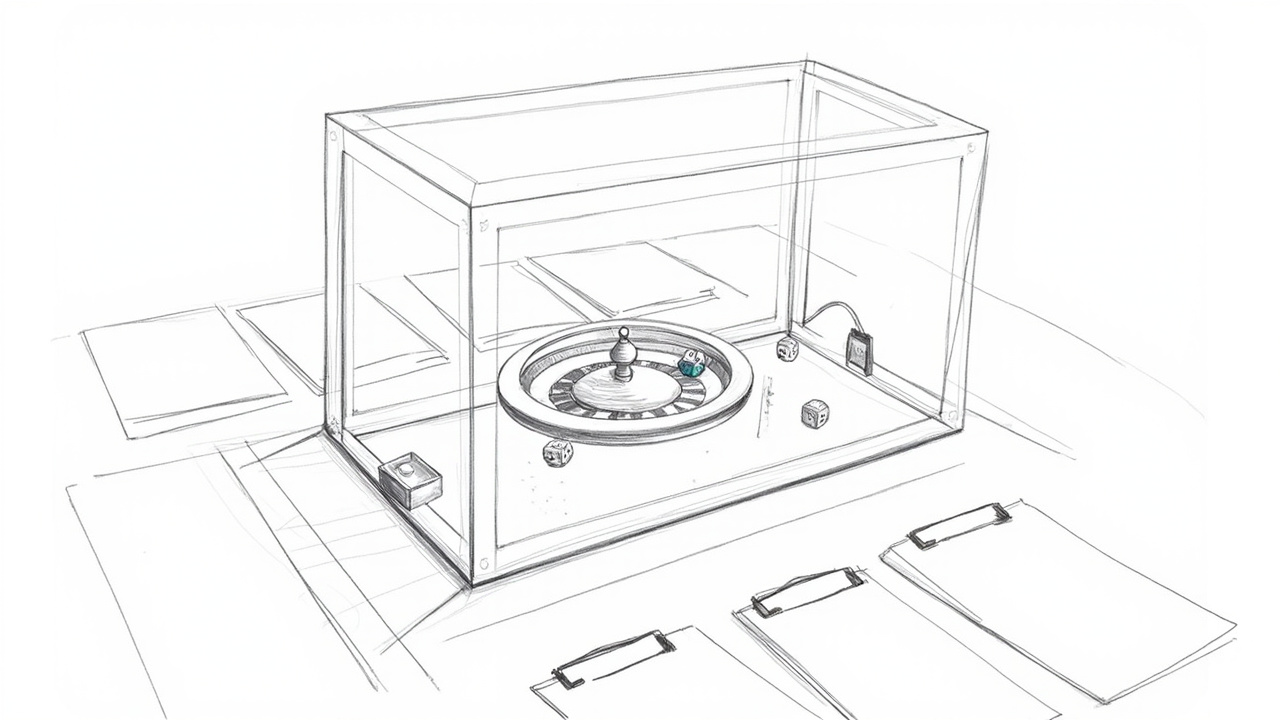
A regulatory sandbox for gambling innovation explained is easiest to grasp when you treat it as a supervised proving ground, not a free pass to skip oversight. The operator runs a limited product suite under real conditions, but the regulator watches the metrics, the complaint logs and the bonus behaviour every step of the way. That means the games and providers you eventually see have already been run through a closed loop where payment timing, session length and verification drop-off were measured against a fixed tolerance. From an acquisition standpoint, that loop is valuable because it forces the operator to fix conversion killers before they become public problems, which is exactly how a well-run mobile campaign should behave when you are tracking quality sign-ups rather than empty clicks. The trial usually caps the active player count, limits the currency pairs on offer and keeps the bonus mechanics on a short leash so the operator cannot hide poor retention behind a flashy welcome offer. When you read the final trial report, you are looking for evidence that the operator learned from the data, not just that they survived the period.
How the trial data lands on your phone and in your account
The mobile side is where the sandbox work shows up most clearly, because responsiveness and navigation are the first things that break when an operator tries to scale too fast. A trial environment forces the team to prove that the browser and app flows stay stable under real load, that the payment screens render properly on smaller screens and that the verification steps do not turn into a maze. In practical terms, that means the registration path, theKYC prompts and the bonus claim buttons have already been stress-tested before you ever tap them. I have seen campaigns where the desktop funnel looked clean but the mobile conversion collapsed because the operator never ran a proper supervised trial, and that is the kind of gap a sandbox is meant to catch early. The trial also checks whether support tickets pile up around the same friction points, which tells you whether the live product will feel responsive or whether you will be waiting on a broken flow. If the operator can show steady mobile performance during the supervised period, you have a better sense that the final build will hold up when traffic spikes.
Reading the trial report like a practical buyer
Leo Williams, Customer Experience Lead, Capital Territory Gaming Forum, puts it plainly: “The sandbox report is only useful if it shows where players actually got stuck, not just that the operator survived the trial period.” That is the right instinct, because a trial that only proves compliance without showing player friction is mostly noise. When you read the report, look for the specific metrics that matter to you: how long verification took, whether the bonus terms were clear before claim, how fast withdrawals moved through the supervised payment rail, and whether the support queue backed up around the same issues. The report should also tell you which providers and game categories were in scope, because a narrow trial on a few titles tells you less than a broader test that touched the actual mix you would play. If the operator used the trial to fix a broken mobile flow or to tighten a bonus mechanic that was causing disputes, that is a concrete sign the supervised period added value. If the report is vague about player outcomes, treat it as a compliance checkbox rather than a quality signal. wanteddeadorawildau.com
A beginner’s walk-through of what the trial means for you
If you are new to this, here is the simplest way to think about it and what to look for before you commit time to any platform that came out of a supervised trial.

- Start by checking whether the operator published a trial summary that names the scope, the player cap and the metrics they tracked, because a real supervised period leaves a paper trail.
- Read the section on mobile performance and support load, since those are the parts that most affect your day-to-day experience on a phone.
- Look for concrete fixes the operator made during the trial, such as a shortened verification path or a clearer bonus claim flow, rather than generic compliance language.
- Confirm the game and provider mix that was actually in the trial, so you know whether the tested product is close to what you would play now.
- Treat the trial as a quality signal, not a promise, and keep your own expectations realistic about pace, limits and support response.
Where the supervised trial fits in the bigger market picture
The wider point is that a sandbox is a quality filter, not a guarantee of a perfect experience, and that distinction matters when you are weighing where to spend your time. The trial tells you whether the operator learned to manage friction, whether the mobile flow held up under supervised load and whether the bonus and payment mechanics were tuned before launch. It does not tell you that every future update will be flawless, and it certainly does not make any offshore product licensed or regulated for play in Australia. What it does is give you a more honest read on conversion quality and support readiness, which is the same kind of judgement call I make when I am deciding whether a campaign is likely to deliver real players or just empty traffic. For a local reference point, a Brisbane testing cohort is a useful example of how a supervised group can expose payment retries and mobile quirks before the operator opens the doors wider. If the trial evidence shows steady performance and clear fixes, you have a better basis for deciding whether the platform is worth a closer look.